Composite FSAE Front Wing
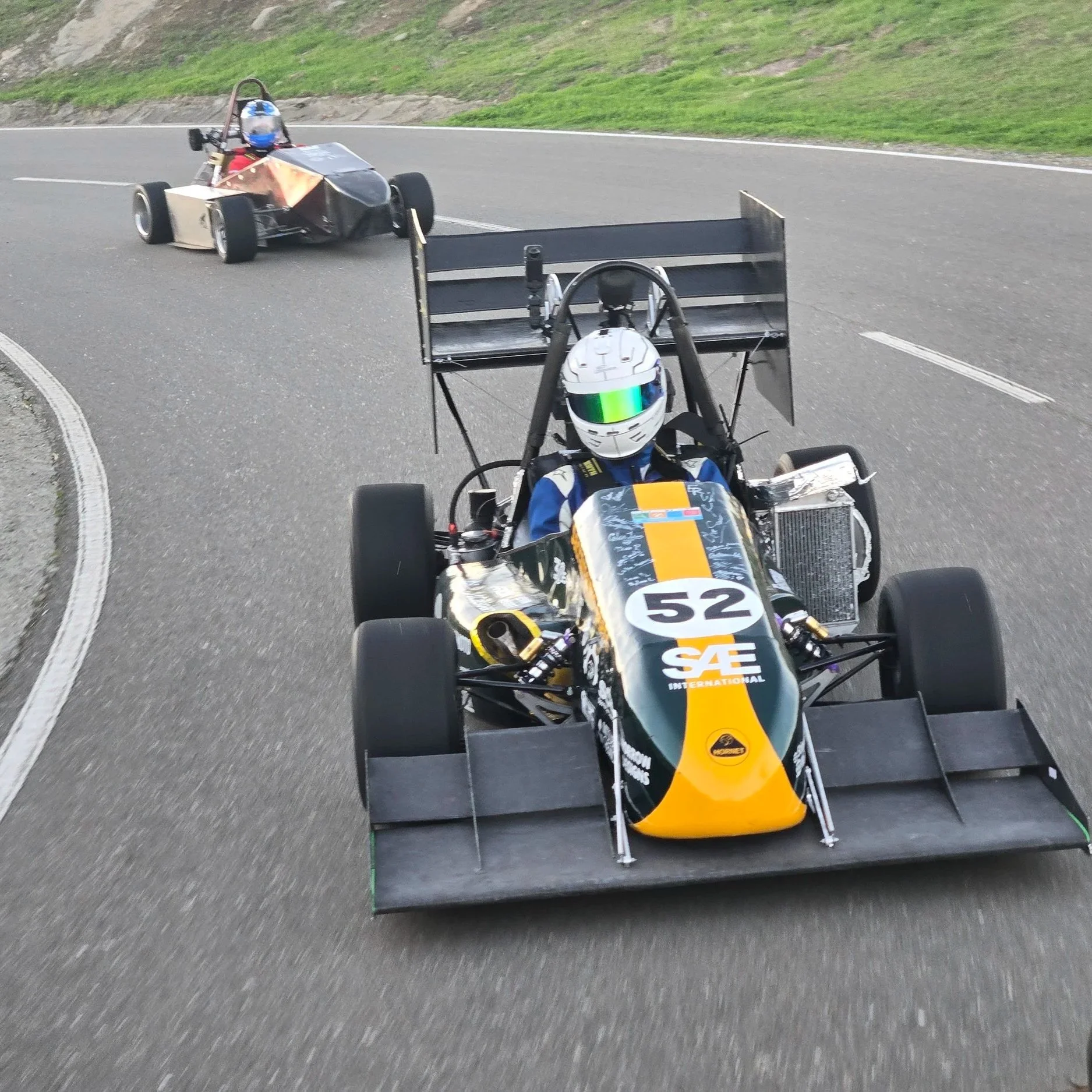
The Goal
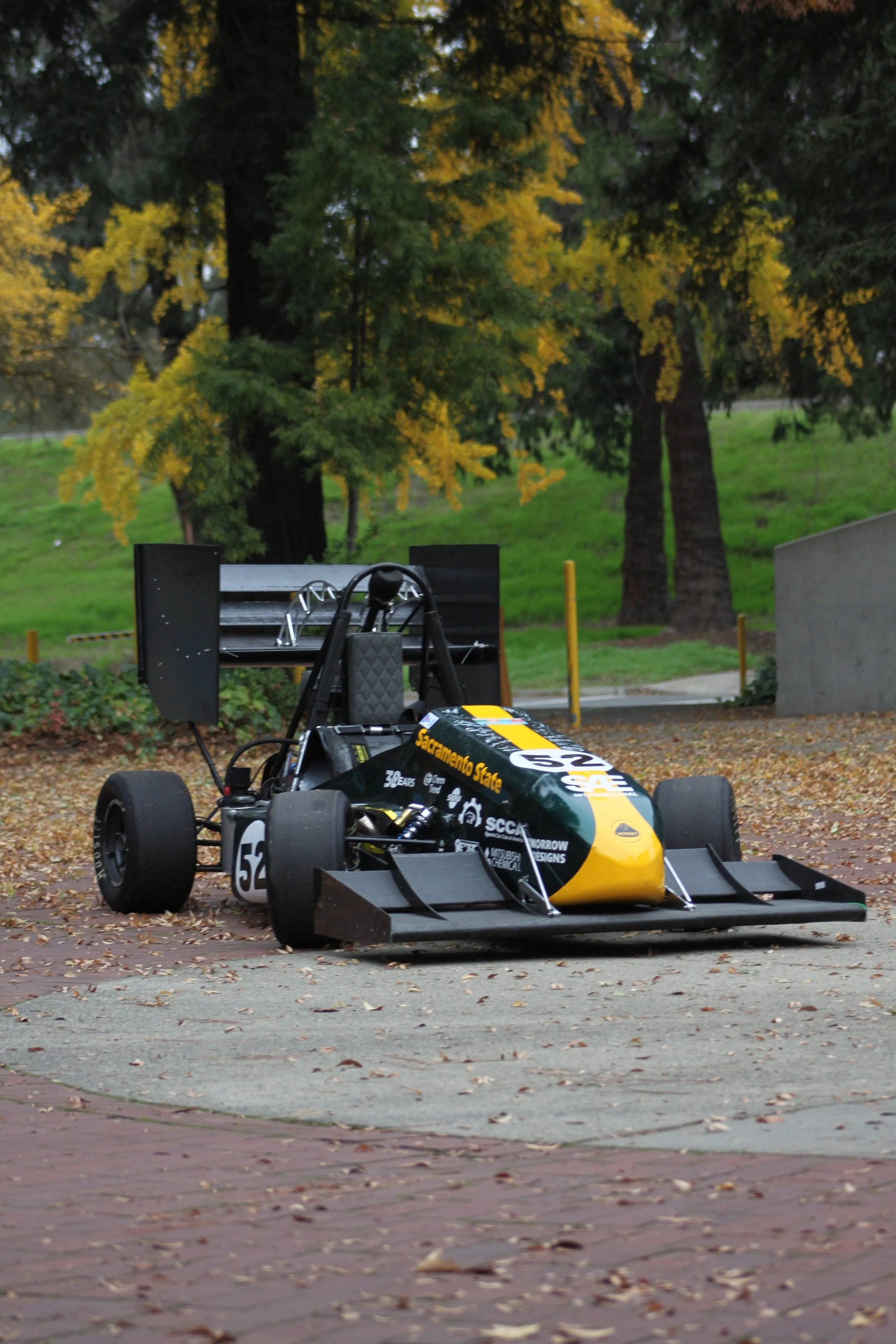
Model, Simulate, and Manufacture a Composite front wing for the HR25 FSAE Race Car
Design & Simulation
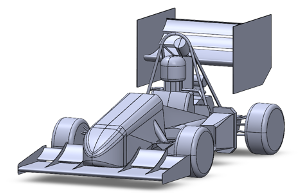
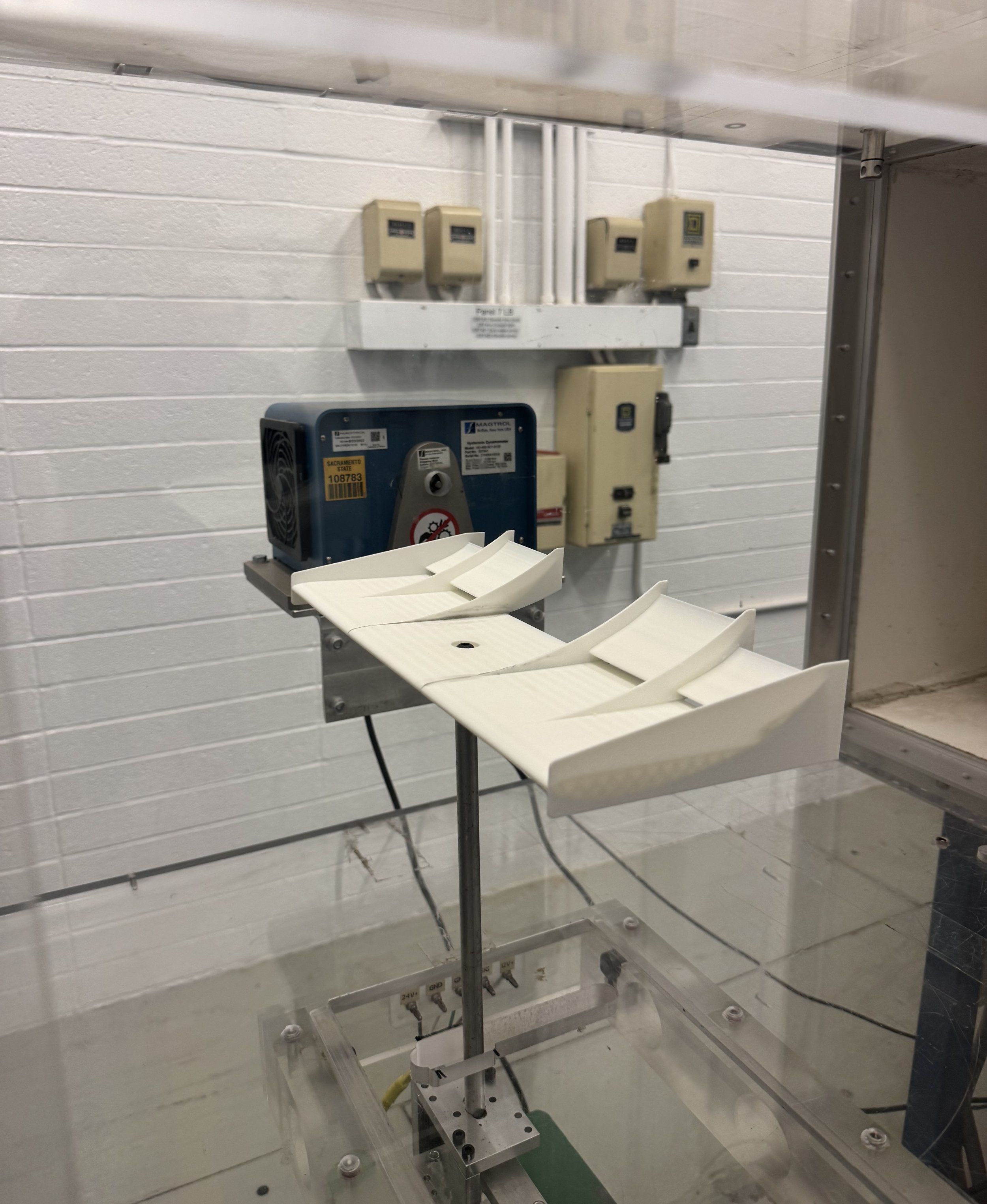
Bluff Body
Solid body model for component testing in CFD.
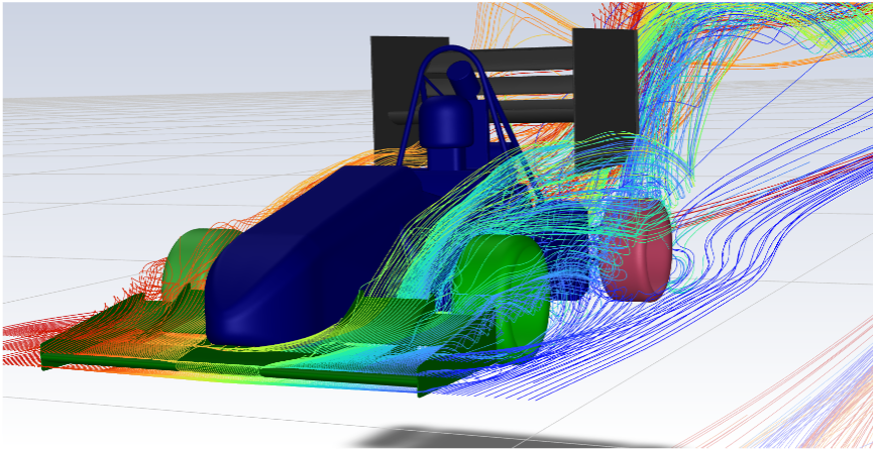
CFD
Performed ANSYS Fluent & Autodesk CFD simulations for component analysis.
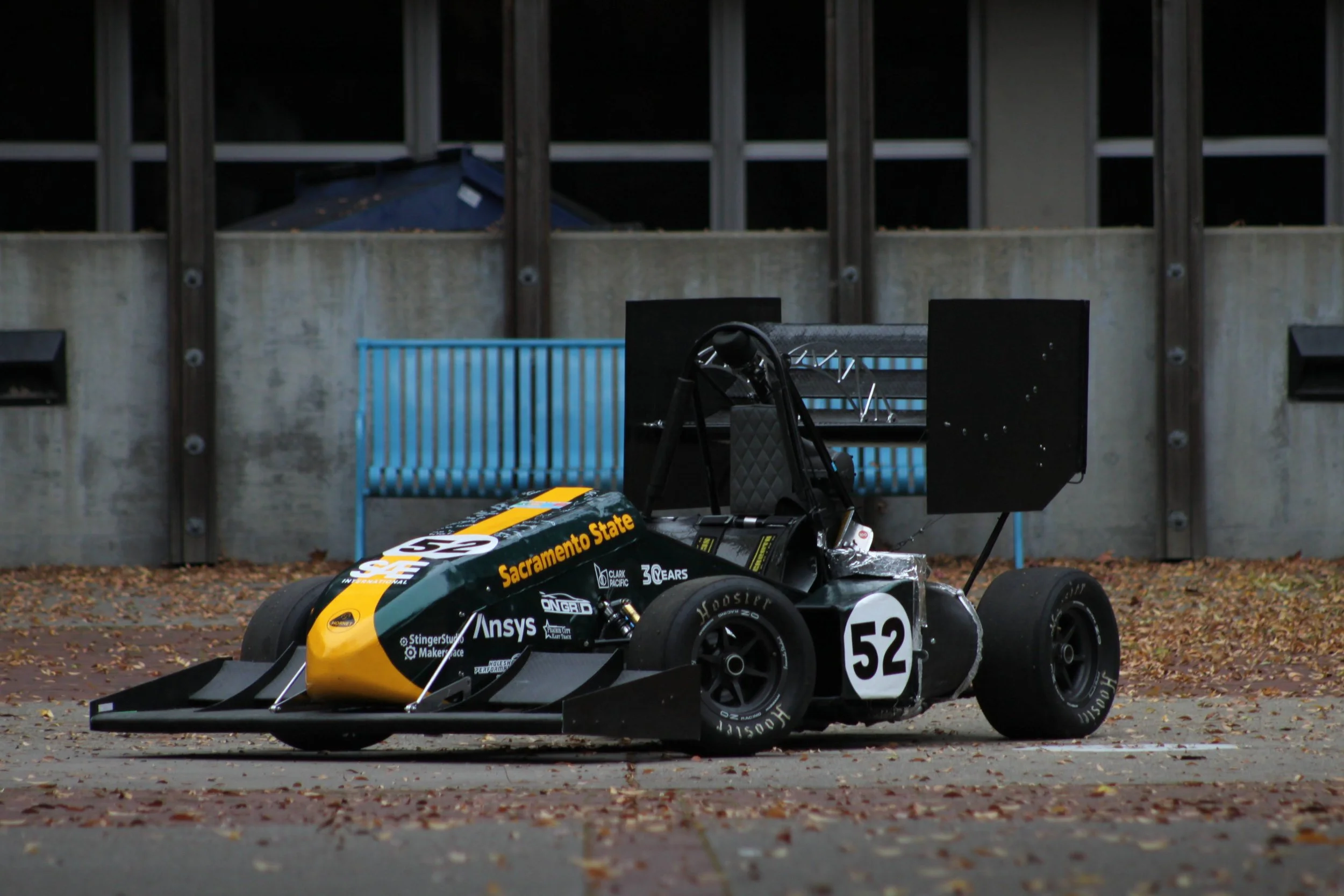
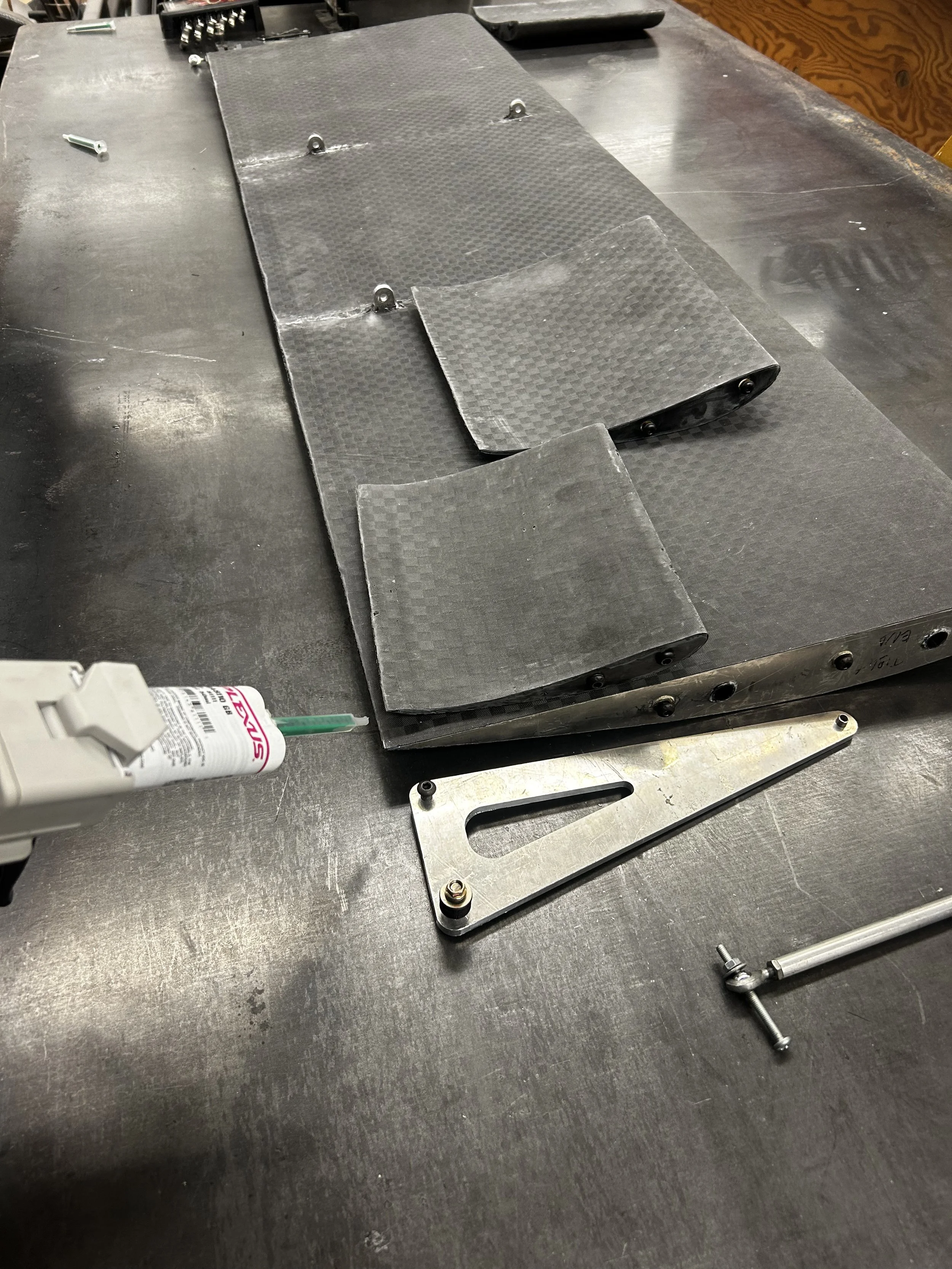
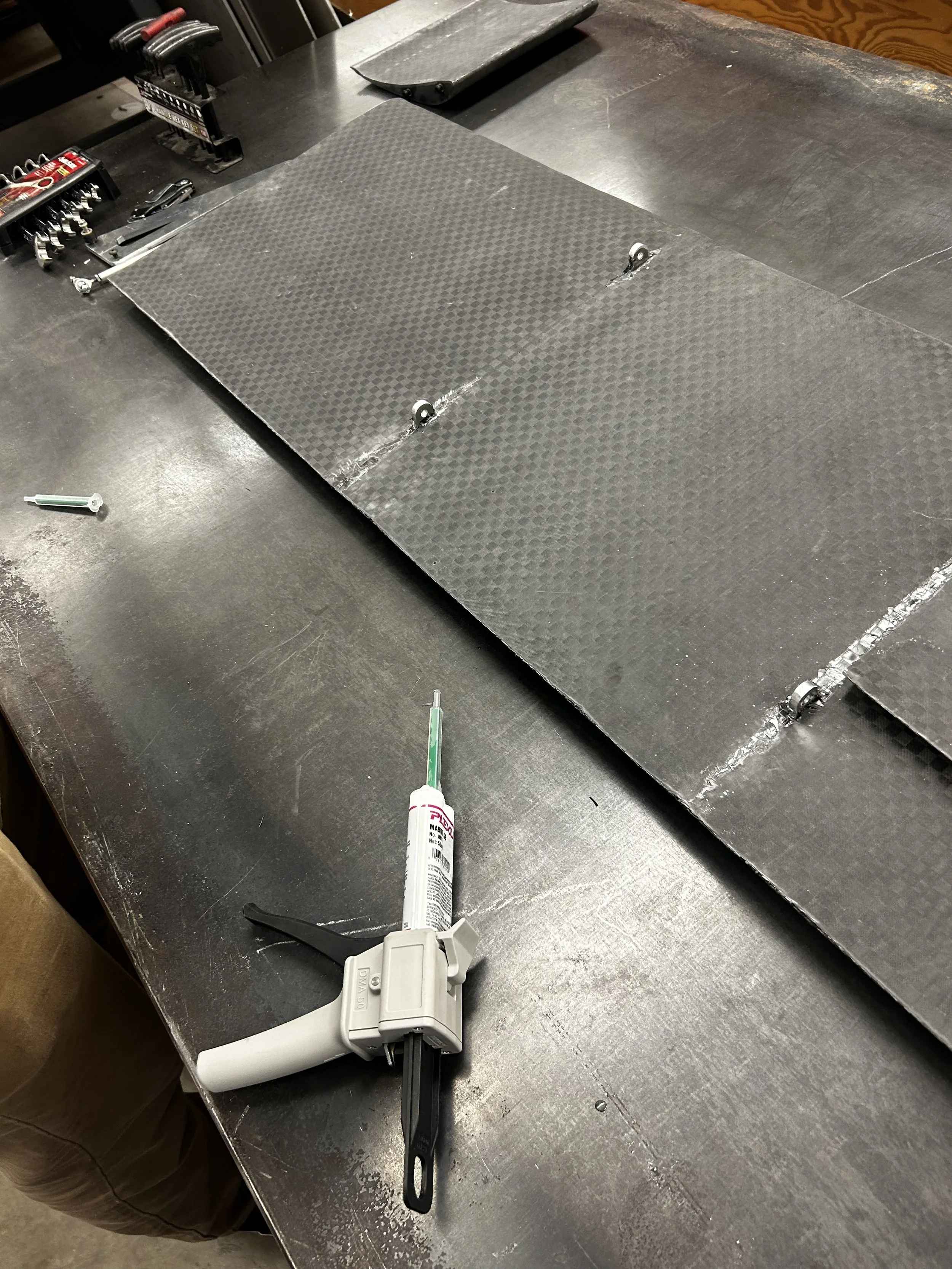
Manufactured Wing
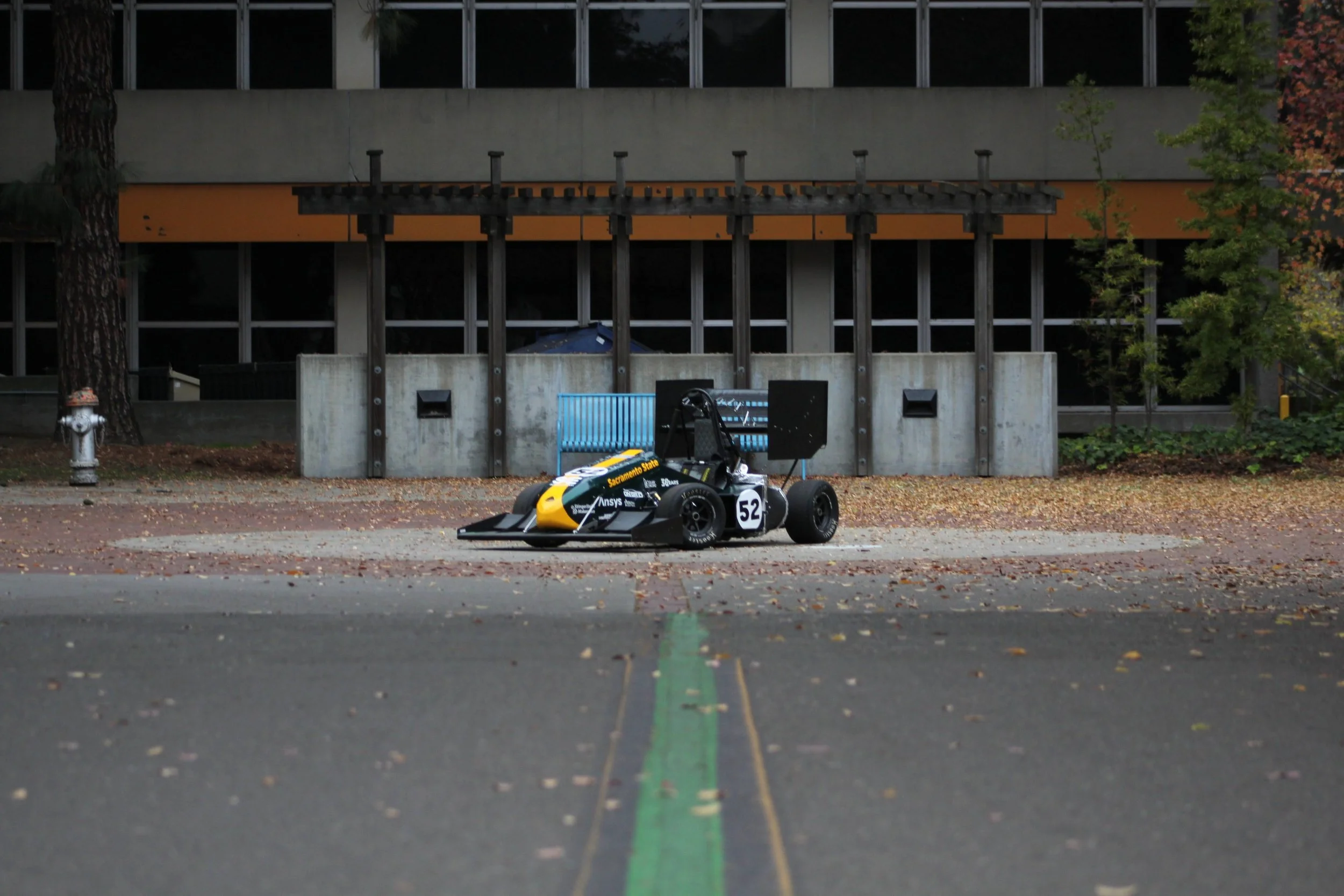
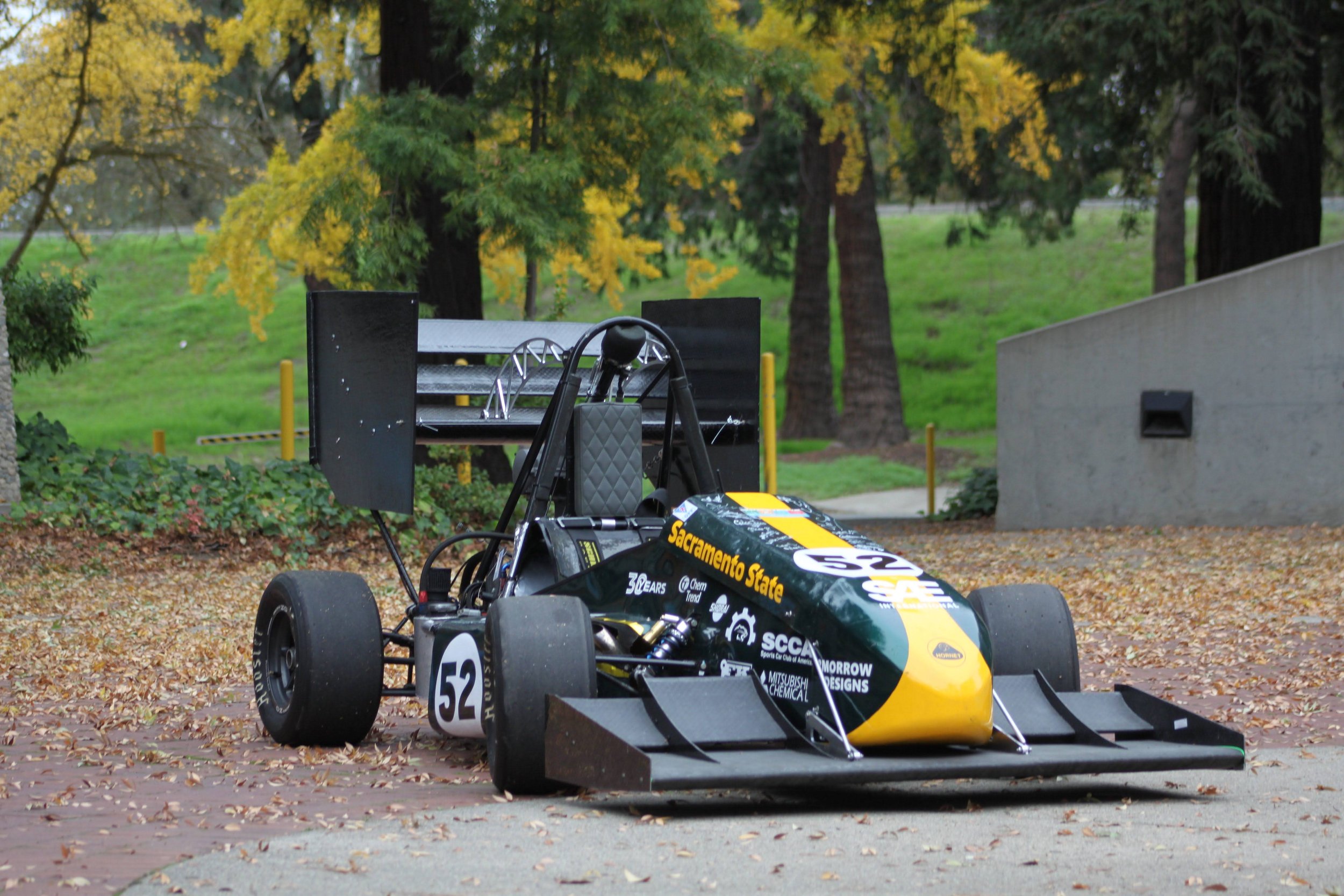
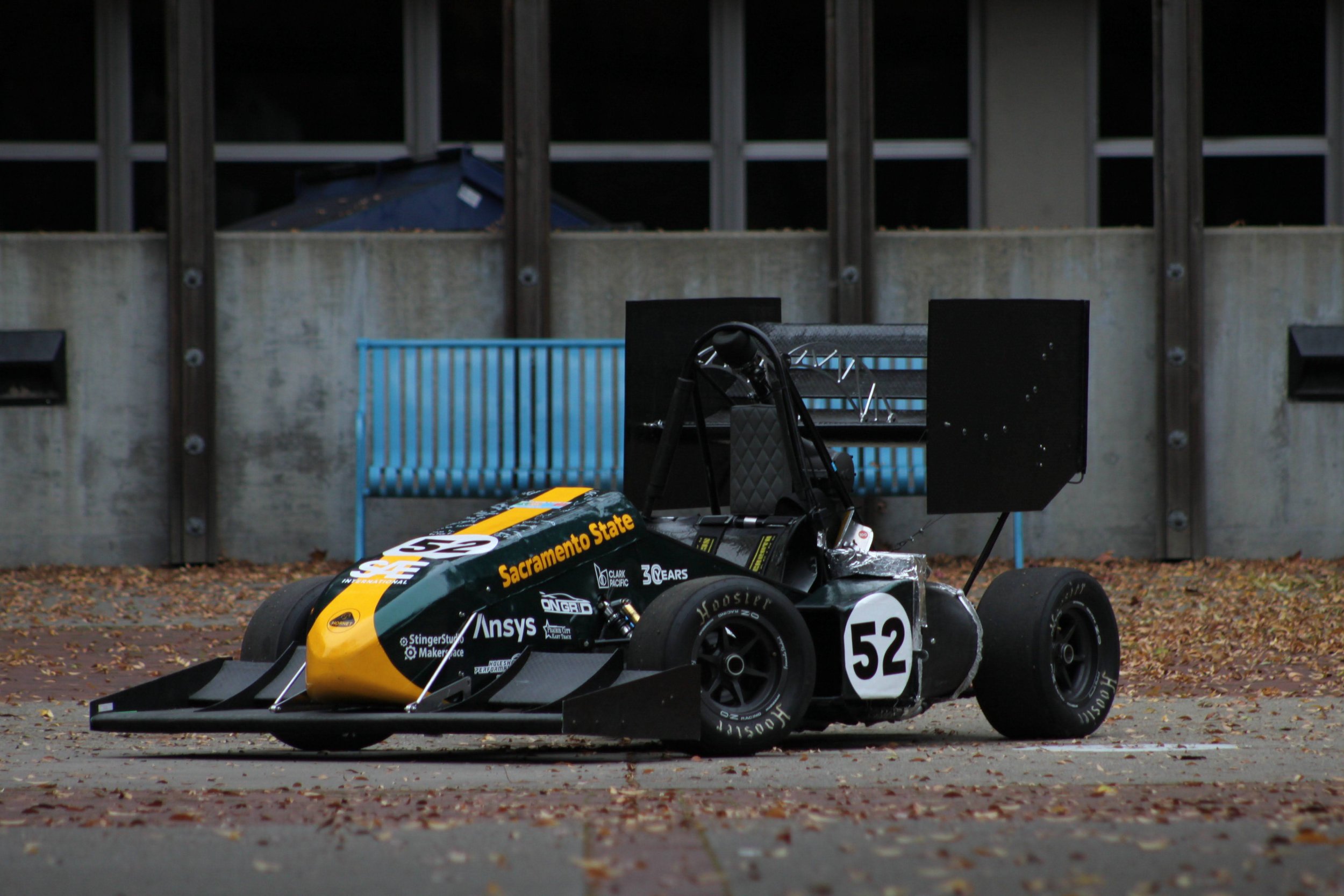
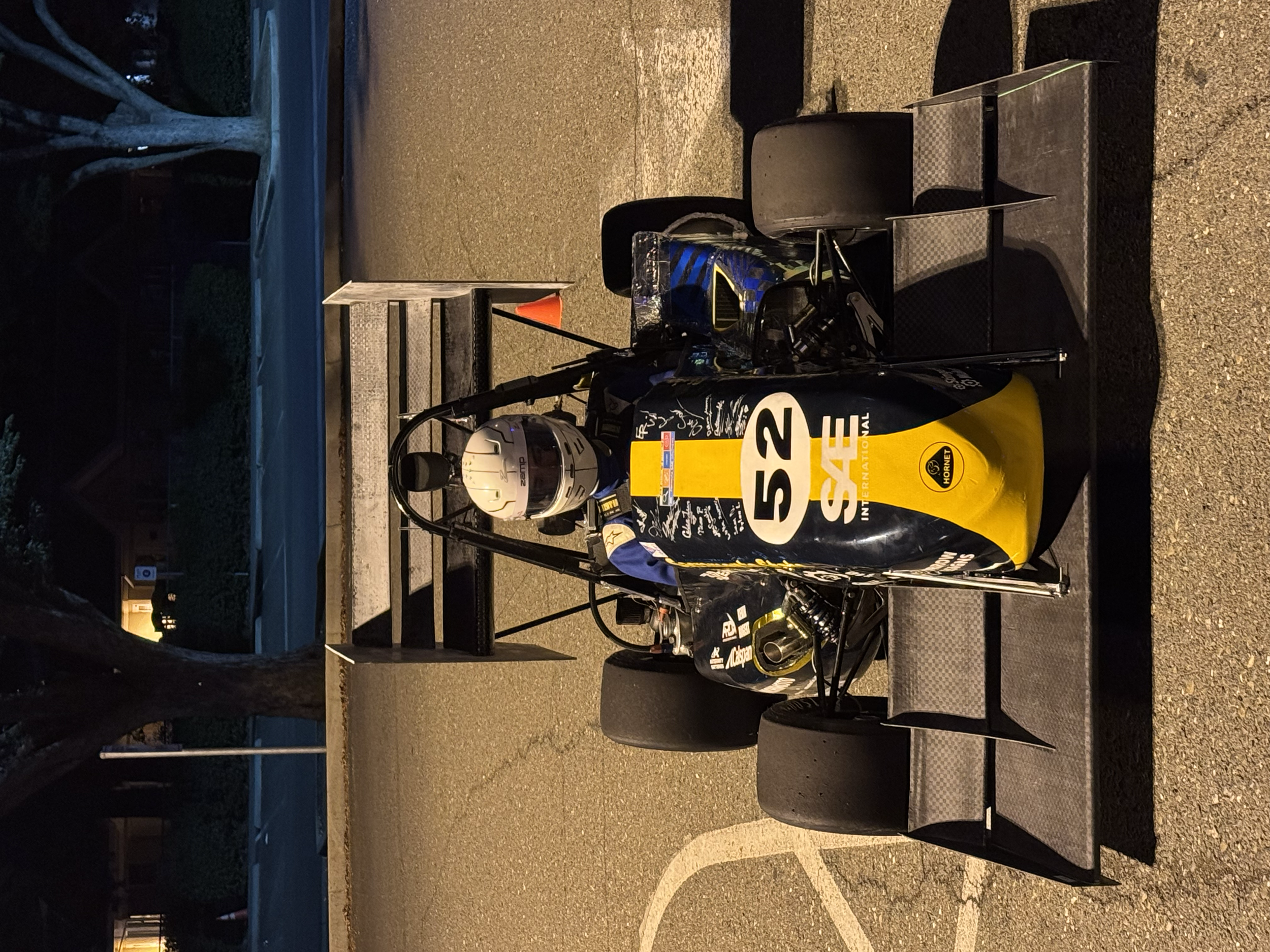
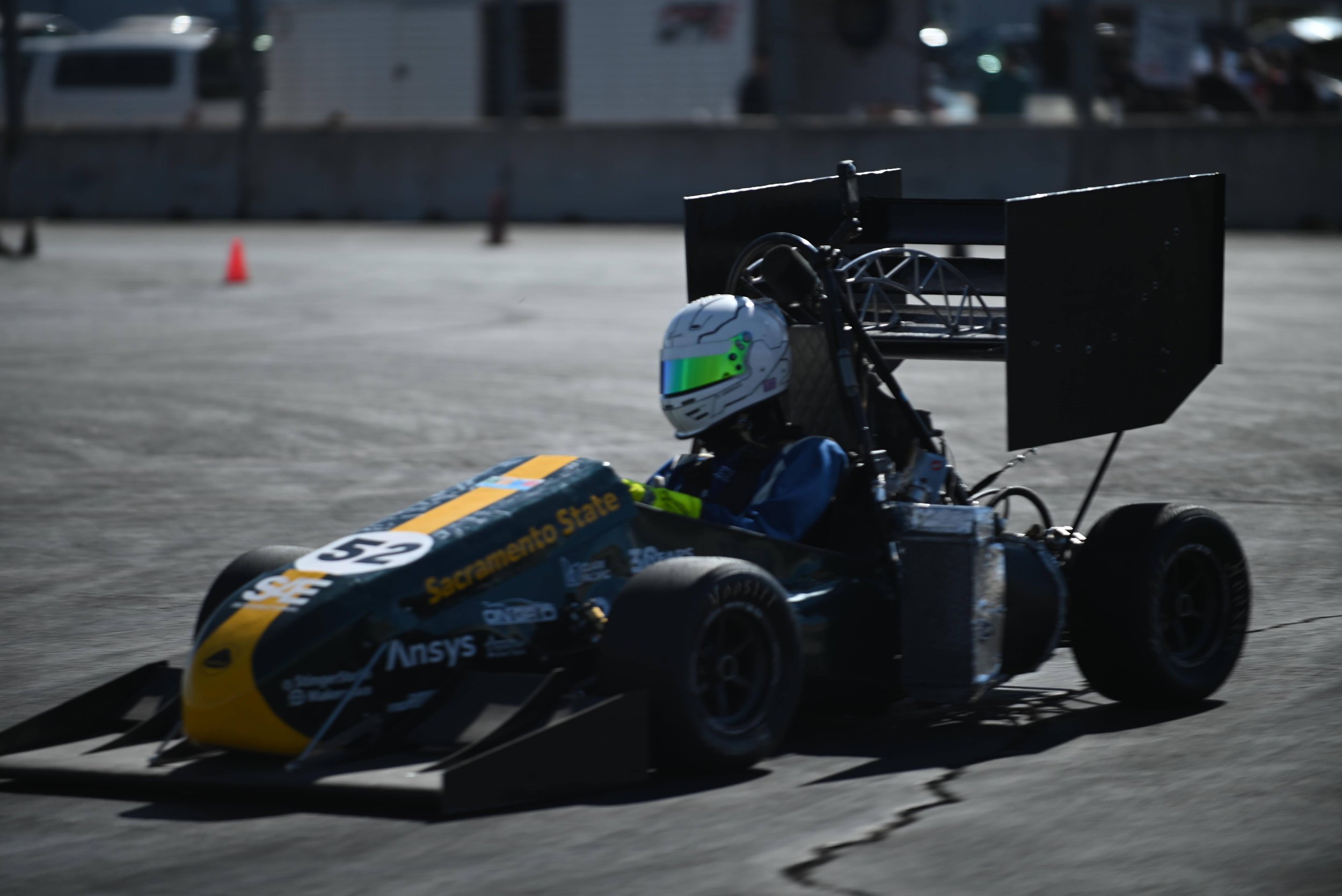
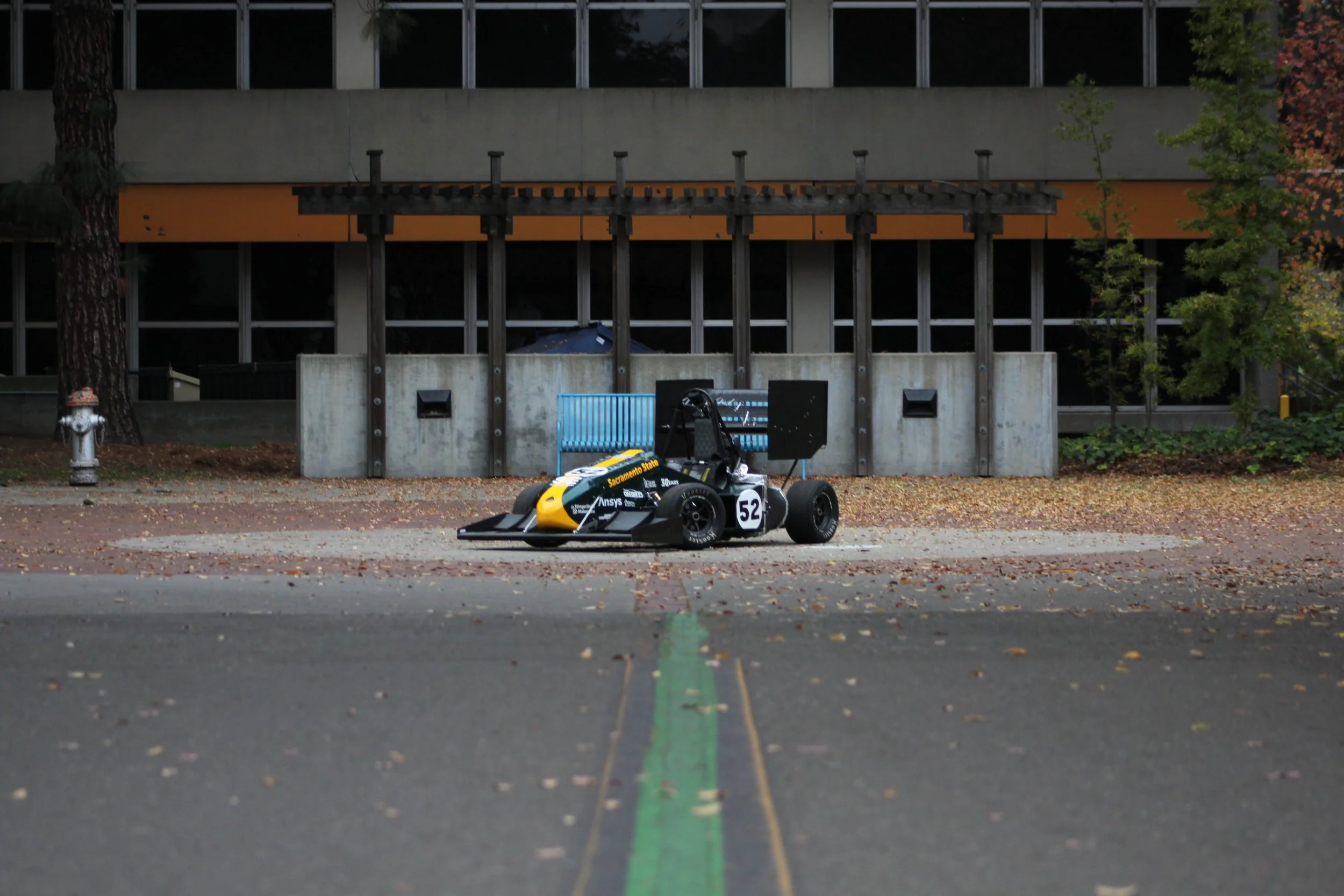
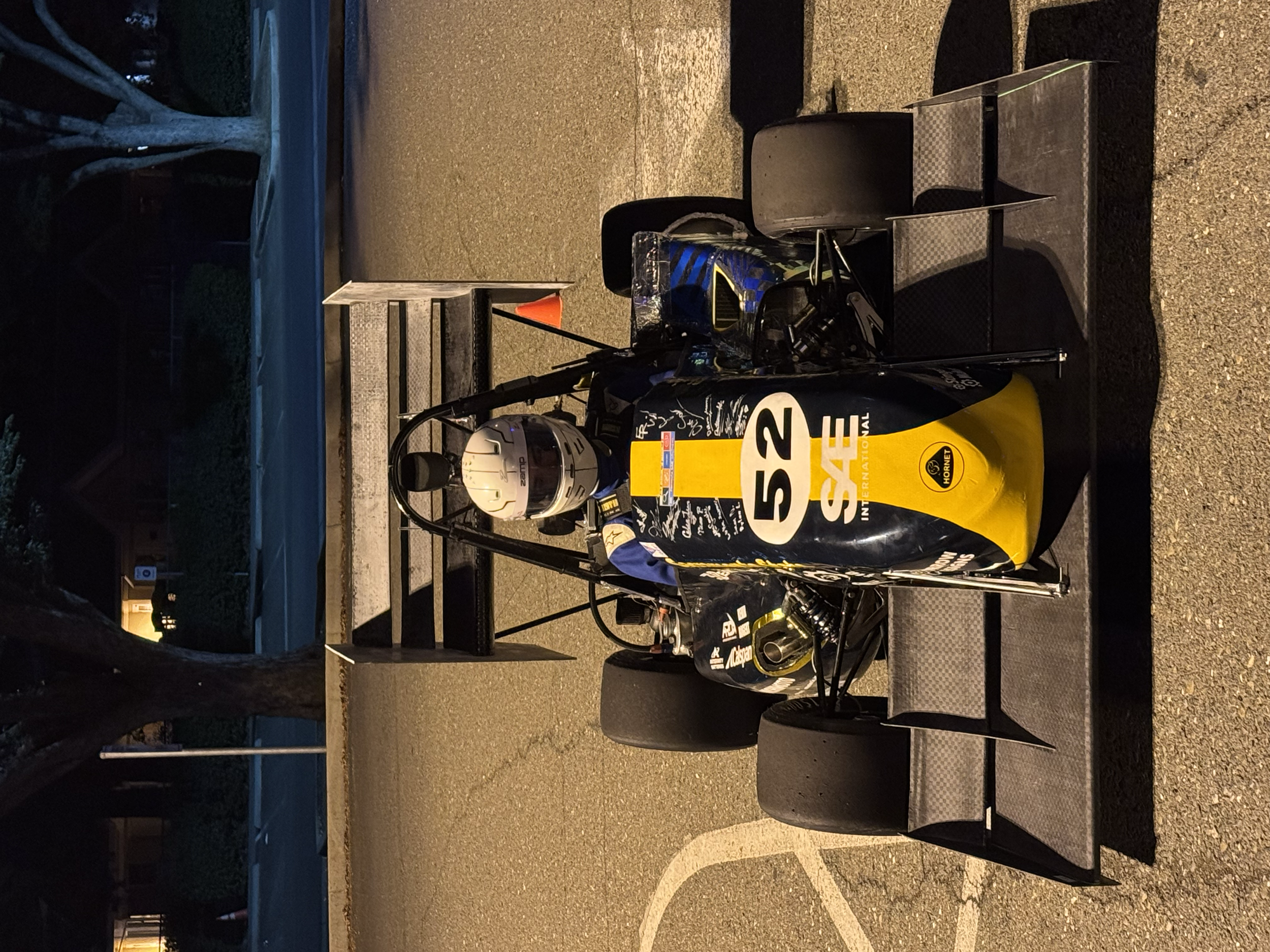
Completed aerodynamic kit for the HR25 race car.
The Process
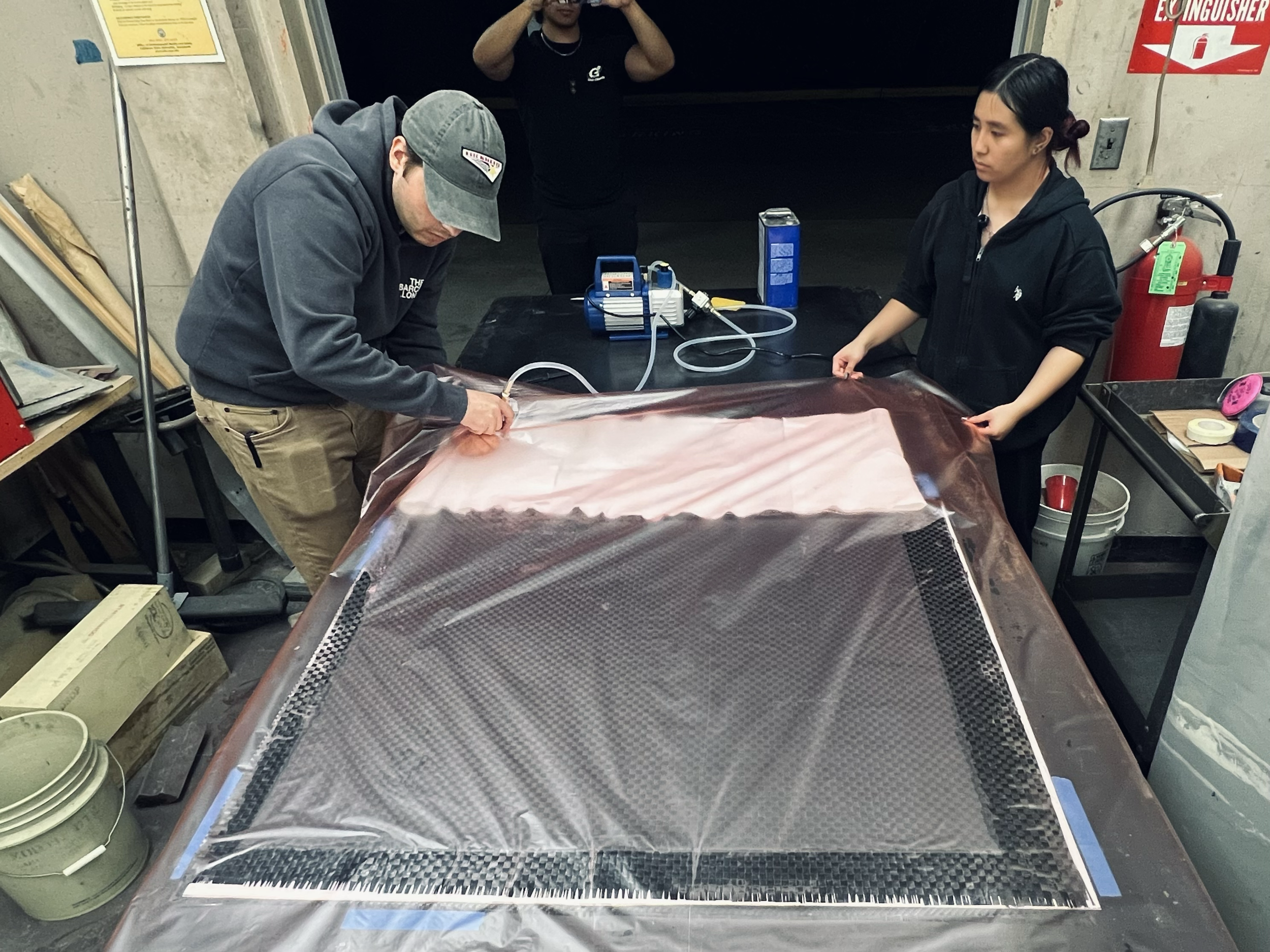
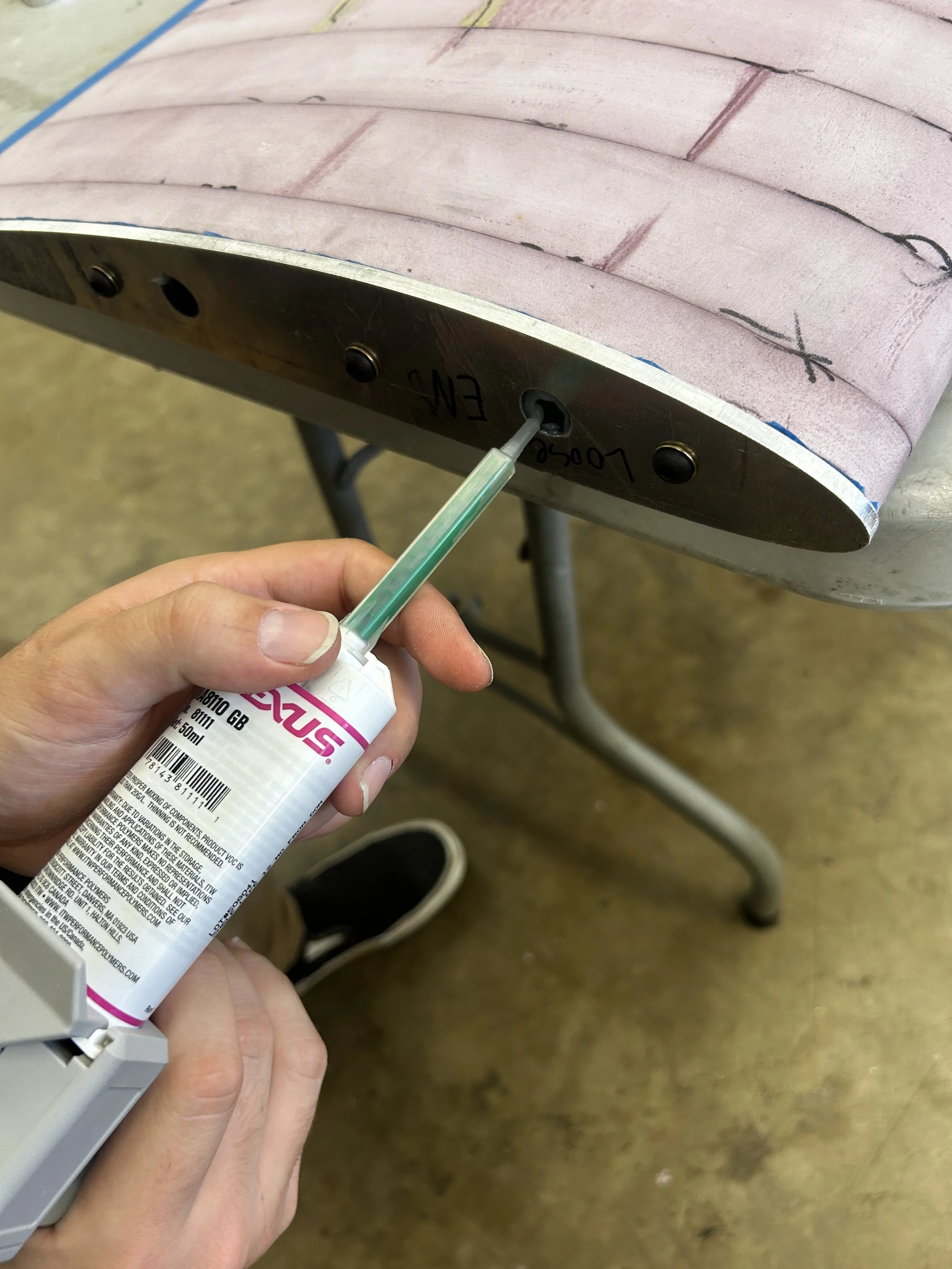
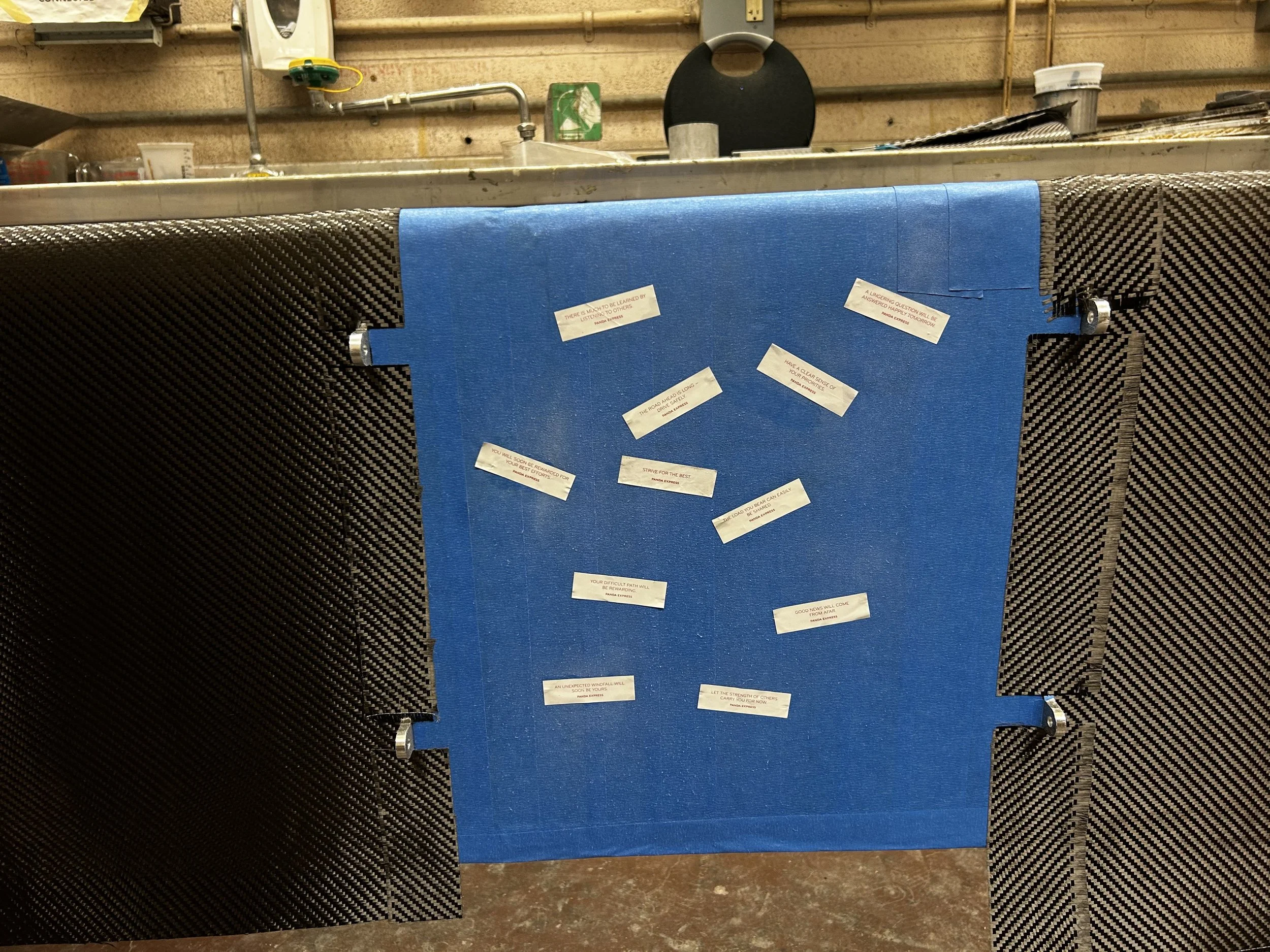
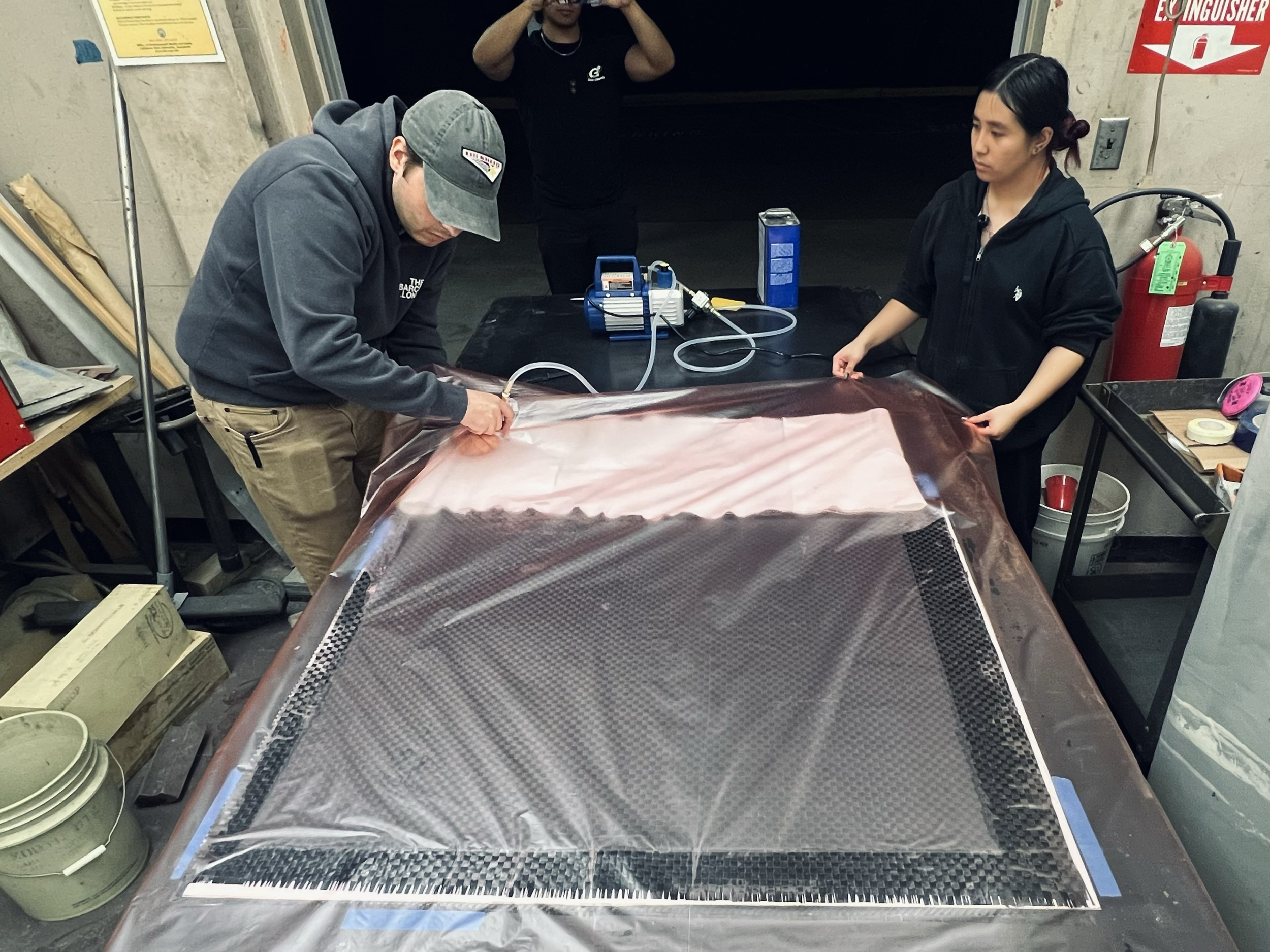
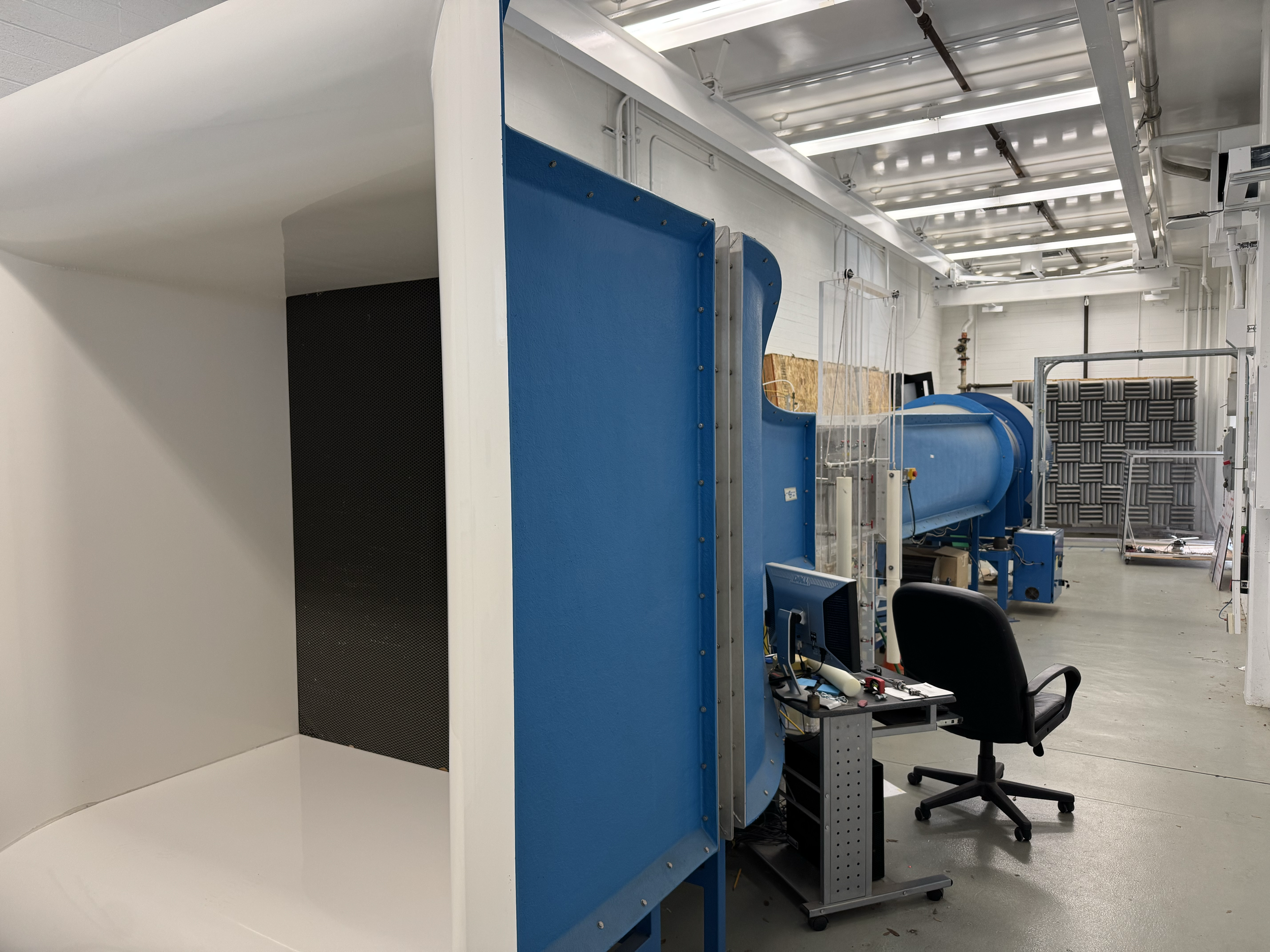
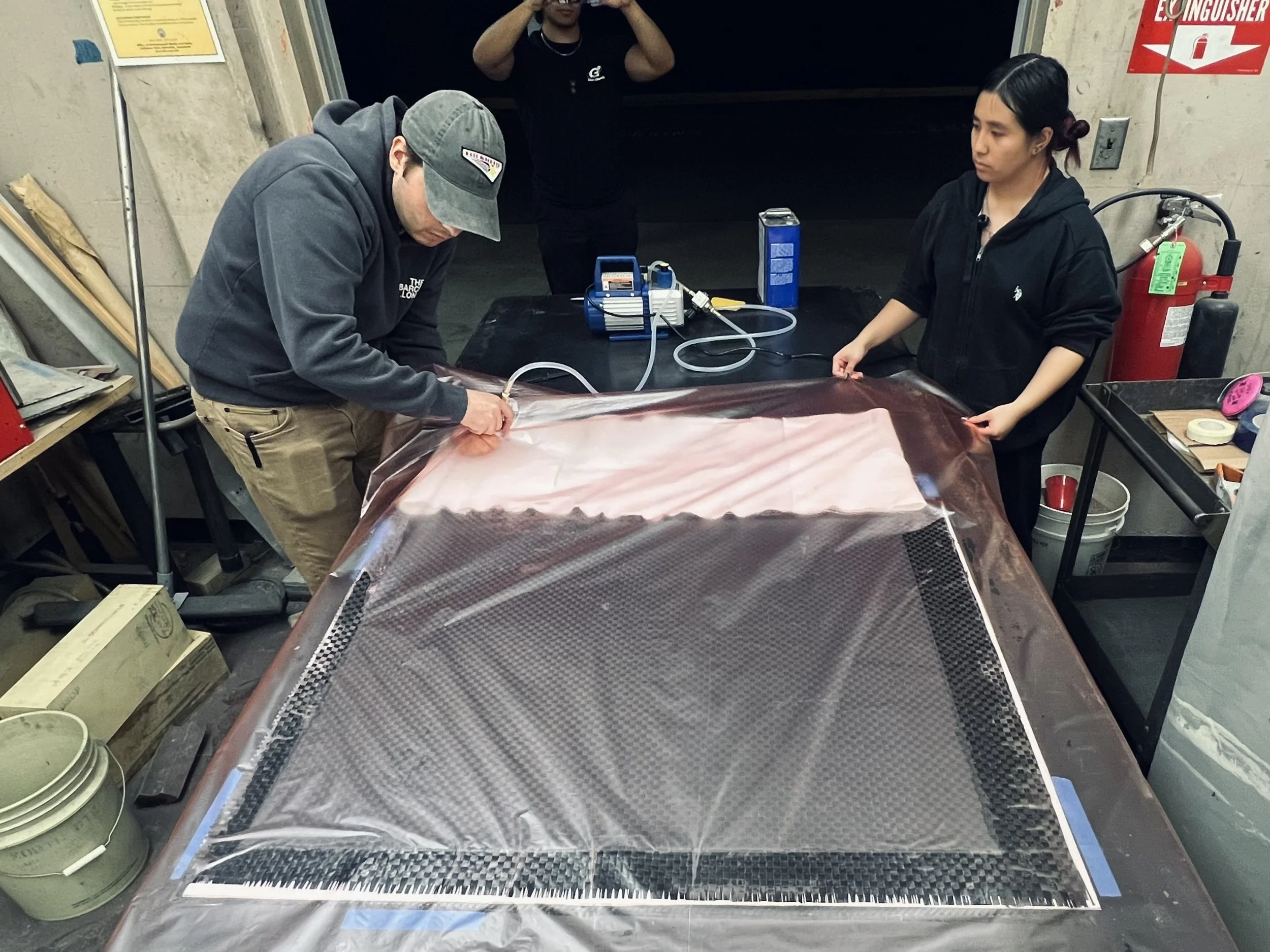
The aerodynamic wing assembly was developed through an iterative design and validation process integrating CAD modeling, computational fluid dynamics, physical testing, and composite manufacturing. The wing geometry was first modeled in SolidWorks, enabling parametric adjustments and integration with the vehicle mounting structure. Aerodynamic performance was evaluated using ANSYS Fluent and Autodesk CFD to simulate airflow behavior and estimate downforce and drag characteristics across the wing elements. These simulations informed design refinements to improve aerodynamic efficiency and balance. Experimental validation was conducted using shock potentiometers, strain gauges, and an accelerometer to measure suspension displacement, structural strain, and dynamic vehicle response under aerodynamic loading. The final design was manufactured using a lightweight composite construction. The main planes were fabricated with a foam core layup reinforced by continuous carbon fiber rods and aluminum spars to provide stiffness while minimizing weight. The endplates were produced separately and vacuum bagged to ensure proper fiber consolidation and structural integrity. This workflow enabled the wing to be optimized for aerodynamic performance, structural reliability, and manufacturability.
Validation
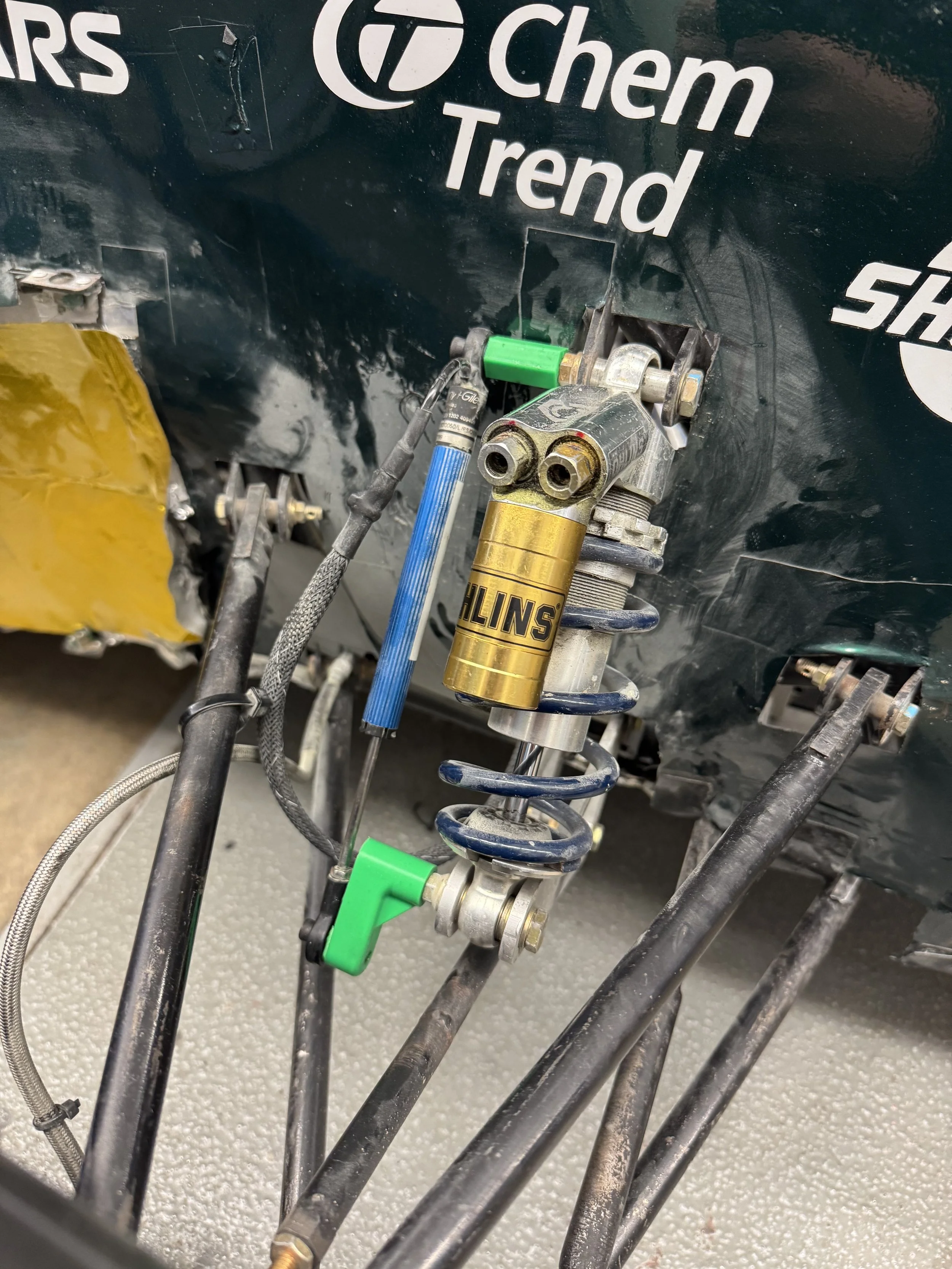
Shock Pots
Shock potentiometers connected to the suspension using 3D printed mounts. Data transmitted to the AIM data logger through can bus.
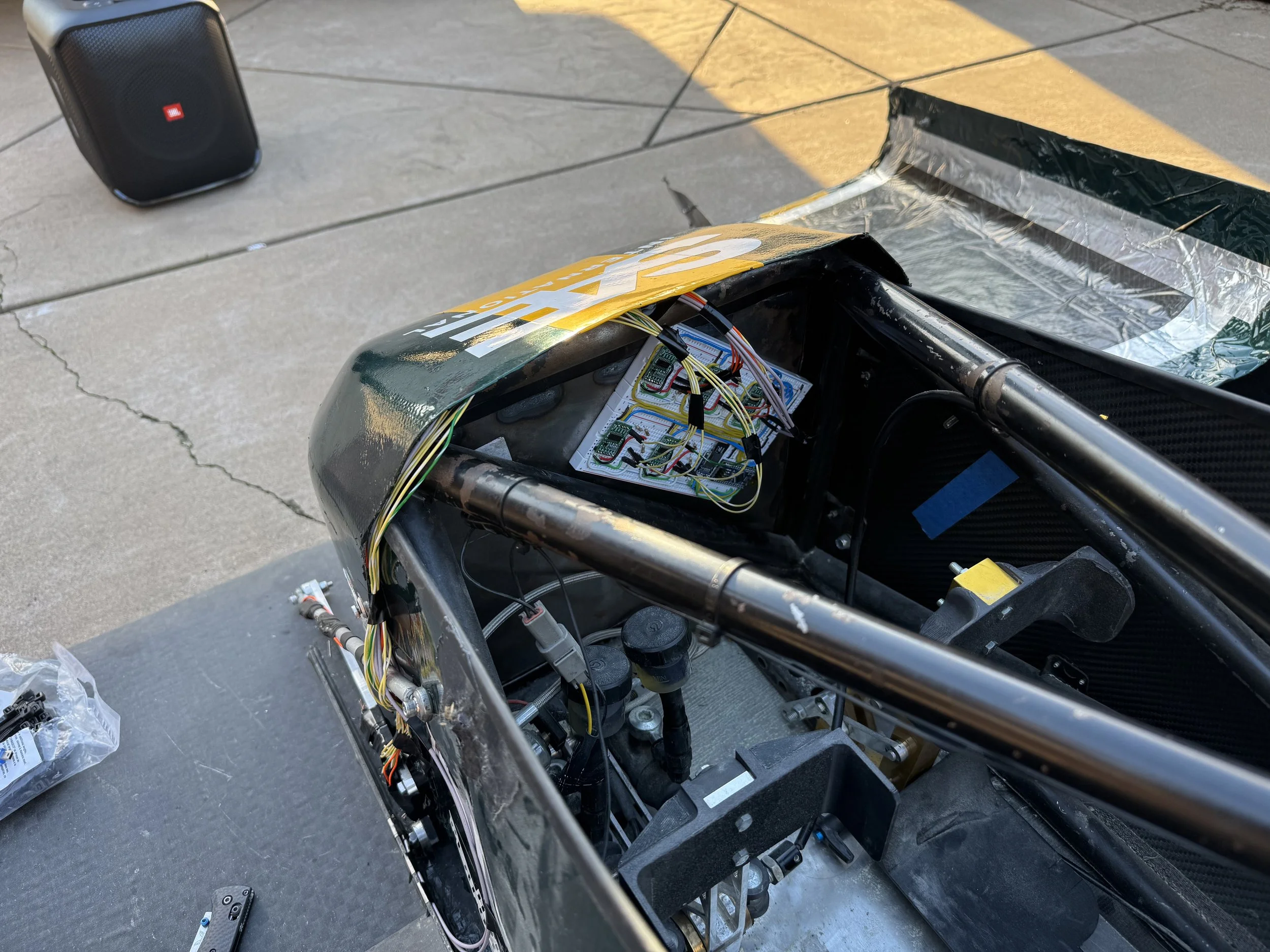
Strain Gauges
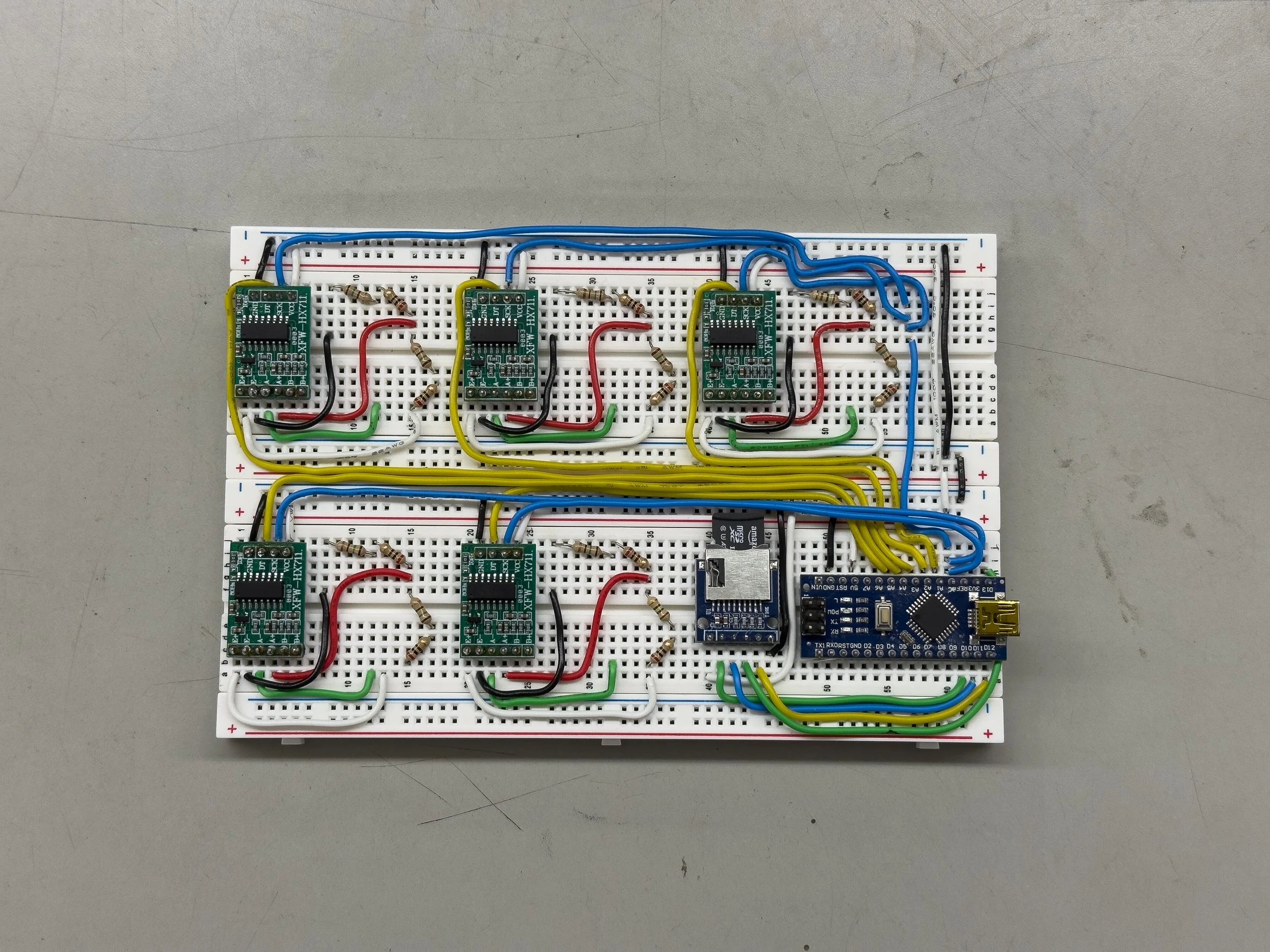
Strain gauges mounted on front wing mounts, connected to strain gauge circuit for data logging to SD card.
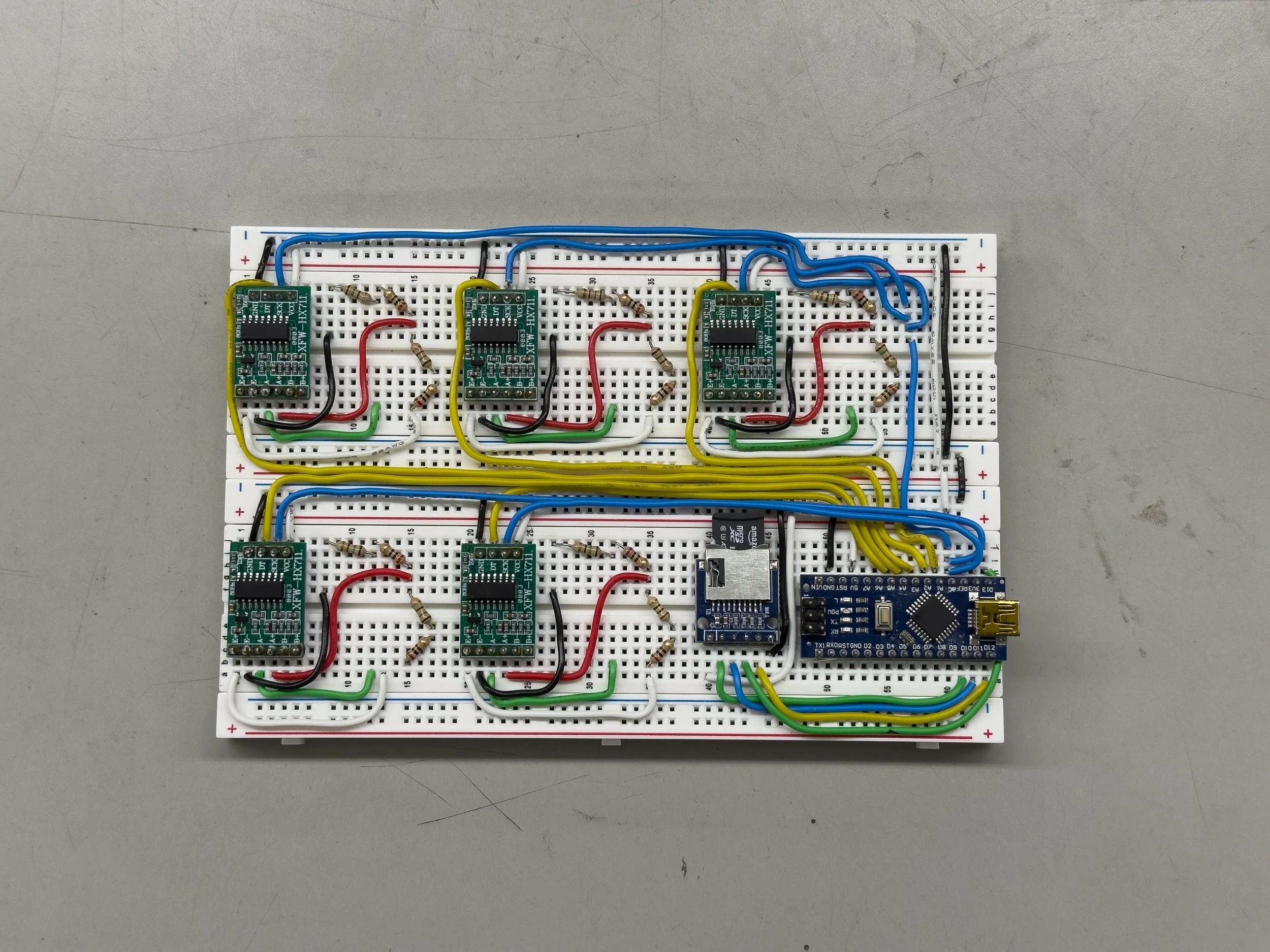
Strain Gauge Circuit
Strain gauges connected in Wheatstone bridge to amplifiers, Arduino reads data from amplifiers and saves to SD card,
The Result
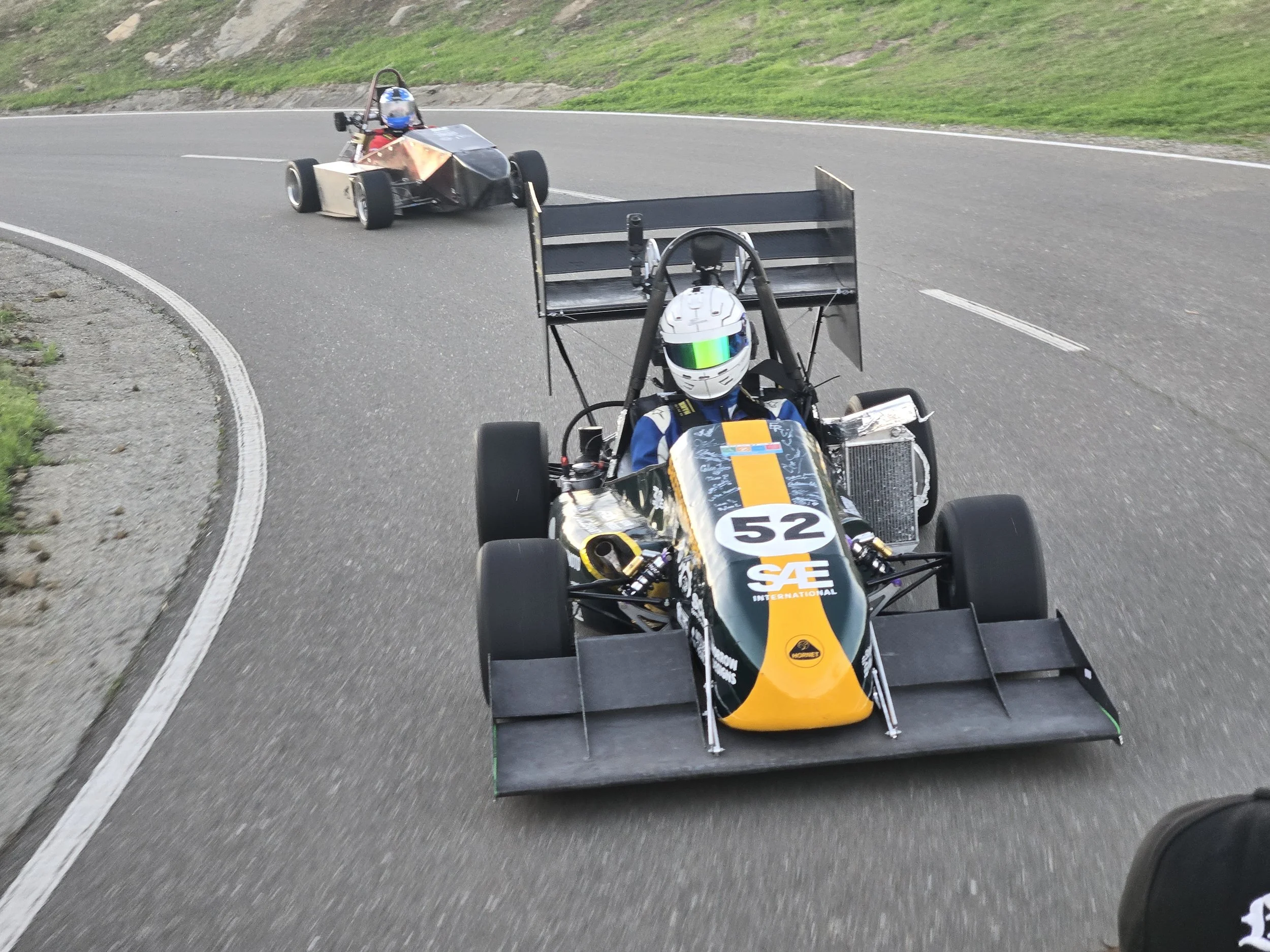
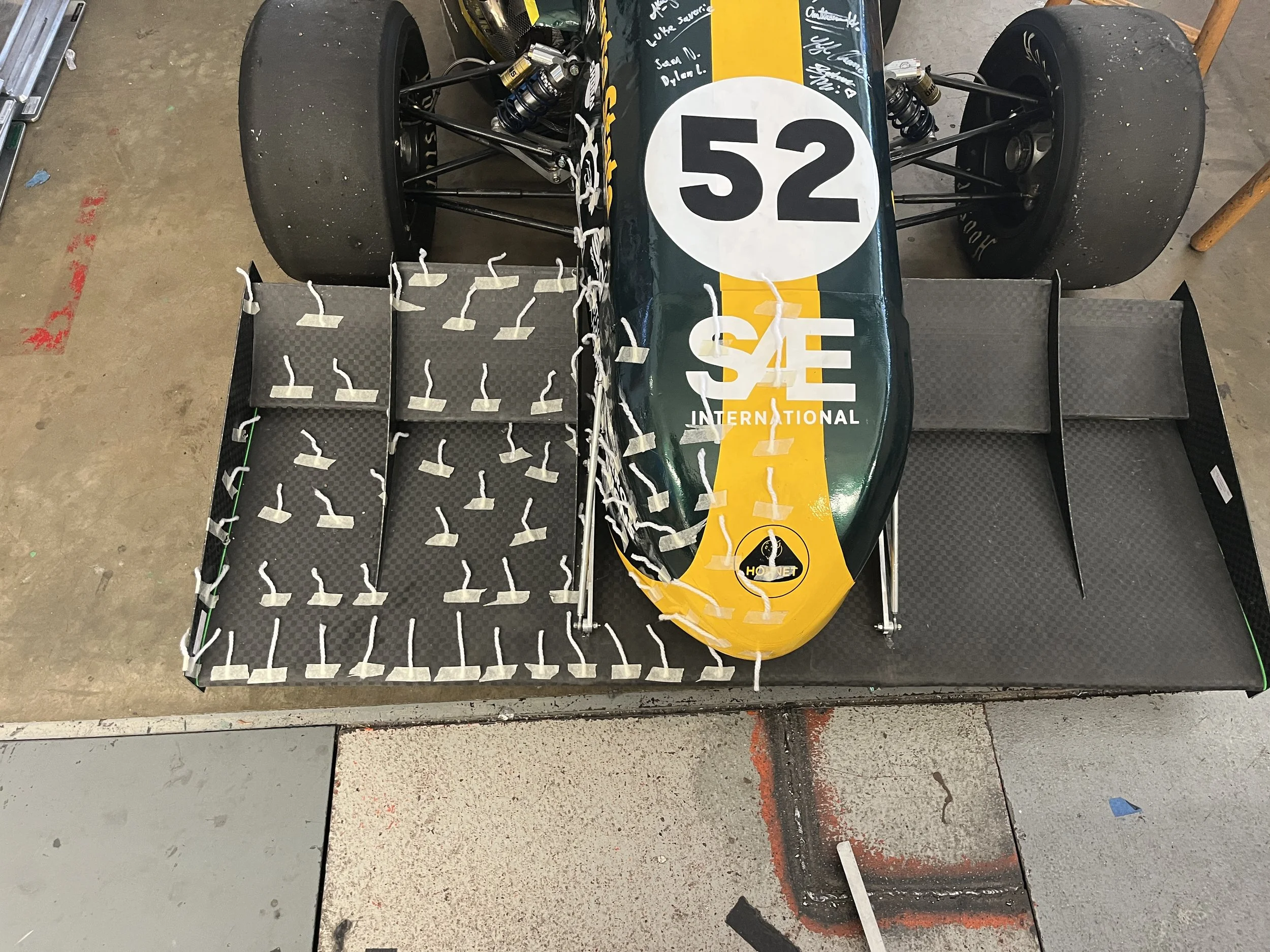
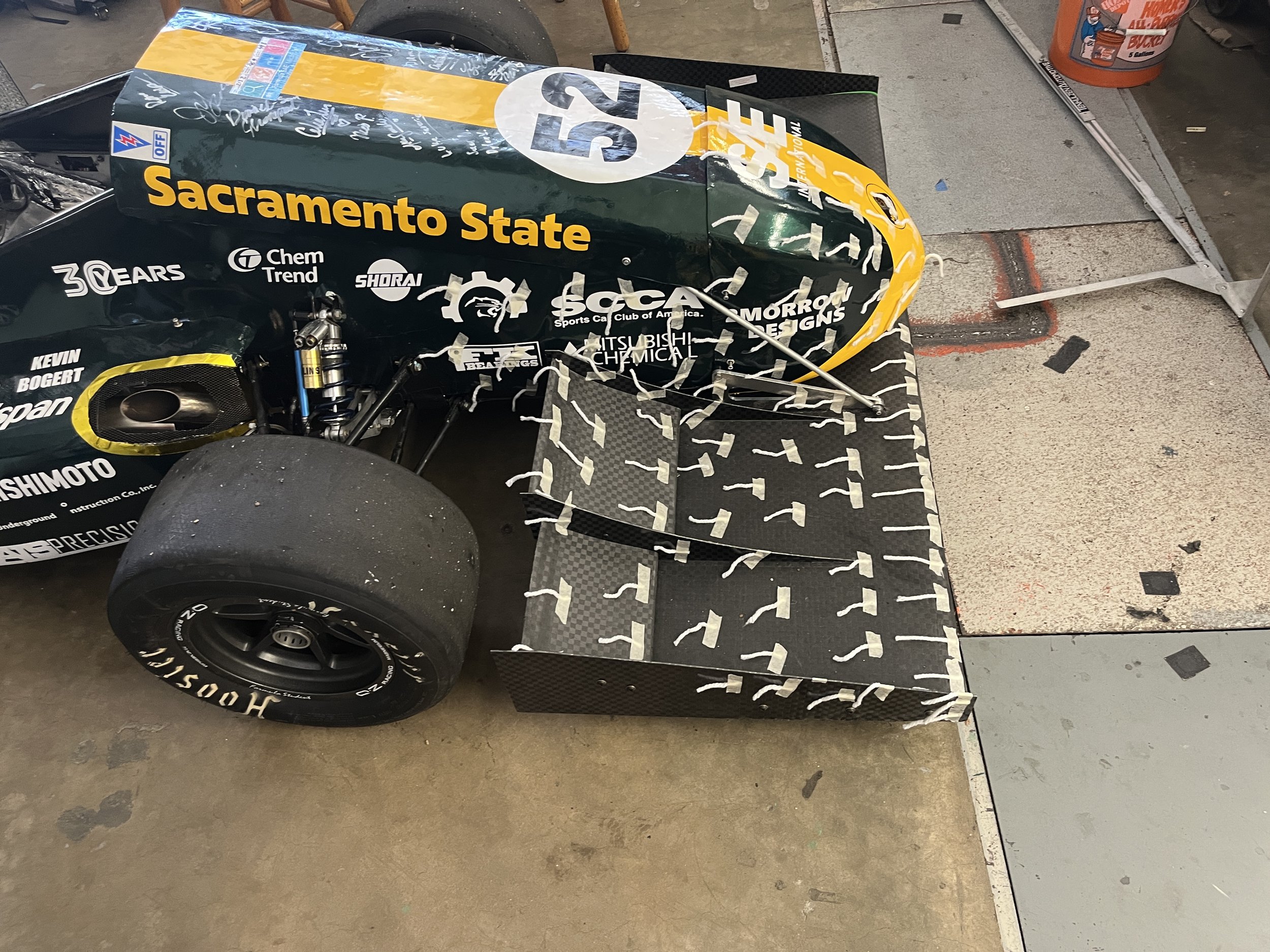
Shock potentiometer and strain gauge data showed aerodynamic loads within 13% of the forces predicted by CFD simulations, indicating strong agreement between simulation and real-world performance. Driver feedback also reported improved drivability and steering balance with the wings installed. Flow visualization using yarn further confirmed airflow behavior consistent with the CFD results.